
The Nigerian economy is buzzing with digital opportunities. Gone are the days when a traditional 9-to-5 job was the only path to a stable income. Today, with a laptop, an internet connection, and the right strategy, you can tap into a global market right from your home in Lagos, Abuja, or anywhere else in the country.
However, with so much information available, finding legitimate and practical ways to make money in Nigeria can feel overwhelming. This guide is designed to cut through the noise and provide clear, actionable pathways to earning an income. We are not just listing abstract ideas; we are providing a detailed blueprint for success.
For each of the twelve methods detailed below, you’ll find step-by-step instructions, realistic earning potentials, and specific tips you can implement immediately. This article breaks down a diverse range of opportunities, from freelance writing and social media management to e-commerce and web development. Whether you’re a student looking for a side hustle, a stay-at-home parent, or an employee aiming to supplement your salary, this is your starting point for building sustainable income streams that work in today’s Nigerian economic environment.
1. Freelance Writing and Content Creation
Freelance writing is one of the most accessible and profitable ways to make money in Nigeria, especially with the global shift towards digital content. It involves creating written materials like articles, blog posts, website copy, and social media content for clients worldwide. Nigerians are leveraging platforms like Upwork and Fiverr to connect with businesses needing high-quality content, turning their writing skills into a steady source of income.

Alt Text: A freelance writer typing on a laptop, with a notebook and coffee nearby, representing content creation.
This field offers immense flexibility and scalability. You can start with zero capital, using just a laptop and an internet connection. Many successful Nigerian writers earn between $500 to over $5,000 monthly by specialising in high-demand niches such as technology, finance, and digital marketing. To maximise your income, understanding how freelancers can save on invoicing and payment fees can significantly boost your overall earnings by reducing transaction costs.
Practical Example: A writer in Port Harcourt specialises in writing blog posts for B2B SaaS companies. They create a portfolio with three in-depth articles on topics like “CRM Integration for Small Businesses.” They land their first client on Upwork for $150 per article and, after three months of positive reviews, raise their rate to $300 per article, earning over $2,000 monthly.
How to Get Started
- Choose Your Niche: Select a topic you know well, like personal finance, technology, or health. Specialising makes you an expert.
- Build a Portfolio: Write 3-5 high-quality sample articles in your chosen niche. You can publish them on a free platform like Medium or LinkedIn to have live links.
- Create Platform Profiles: Set up detailed profiles on Upwork, Fiverr, and LinkedIn. Optimise your profile headline and summary with keywords like “Fintech Content Writer” or “SEO Blog Writer.”
- Send Targeted Proposals: Instead of applying to every job, write custom proposals for gigs that match your niche. Mention specific ideas for their blog to show you’ve done your research.
Actionable Takeaways
- Identify 3 high-demand niches (e.g., fintech, SaaS, e-commerce) you can write about.
- Create a portfolio on Medium with at least three sample articles this week.
- Optimise your LinkedIn profile to attract inbound client leads.
Tools & Resources
- Grammarly: For error-free writing.
- Hemingway Editor: To improve clarity and readability.
- Upwork & Fiverr: Freelance marketplaces to find clients.
2. Virtual Assistance and Administrative Services
Virtual assistance is a rapidly growing field offering numerous ways to make money in Nigeria. It involves providing remote administrative, technical, or creative support to businesses and entrepreneurs globally. Nigerian virtual assistants (VAs) are in high demand, handling tasks like email management, scheduling, data entry, and customer service for clients who need support without hiring a full-time employee.
Alt Text: A virtual assistant works efficiently at a desk with multiple monitors displaying calendars and task lists.
This career path offers significant income potential and flexibility. Experienced Nigerian VAs can earn between ₦200,000 and over ₦1,000,000 monthly, depending on their skills and client base. Platforms like Upwork, Freelancer.com, and specialised VA agencies have made it easier than ever to connect with international clients. The key is to offer specialised services and build a reputation for reliability and efficiency, turning organisational skills into a profitable online venture.
Practical Example: An individual in Abuja with strong organisational skills offers VA services to international online coaches. They manage their clients’ calendars using Calendly, handle customer inquiries via email, and schedule social media posts using Buffer. They charge a monthly retainer of $400 per client and serve four clients, earning $1,600 per month.
How to Get Started
- Define Your Services: List the specific tasks you can do. Examples include calendar management, email filtering, social media scheduling, or data entry in Google Sheets.
- Create Service Packages: Bundle your services into packages. For example, a “Basic Admin Package” for 10 hours a week or a “Social Media Package” for 20 hours. This makes it easier for clients to buy.
- Set Up Your Tools: Familiarise yourself with essential VA tools like Asana (project management), Slack (communication), and Calendly (scheduling). Mention these in your profile.
- Network and Pitch: Join Facebook groups for entrepreneurs and small business owners. Offer your services and share how you can solve their administrative problems.
Actionable Takeaways
- List 10 specific tasks you can offer as a VA.
- Create three tiered service packages (e.g., Basic, Standard, Premium) with clear pricing.
- Join two relevant Facebook or LinkedIn groups and start engaging with potential clients.
Tools & Resources
- Asana or Trello: For task management.
- Slack: For client communication.
- Canva: For creating simple graphics for clients.
3. Affiliate Marketing and Online Promotion
Affiliate marketing is a powerful performance-based strategy to make money in Nigeria by earning commissions for promoting another company’s products. You simply find a product you like, promote it to others, and earn a piece of the profit for each sale that you make. Local e-commerce giants like Jumia and Konga, alongside international programmes like Amazon Associates, have made this a highly accessible venture for Nigerians with an online audience.
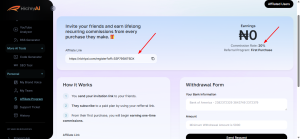
Alt Text: A flowchart illustrating the RichlyAI affiliate marketing process: Promote, Click, Convert, Earn Commission.
This model allows you to monetise your blog, YouTube channel, or social media following without creating your own products. Successful Nigerian affiliates, particularly in tech and lifestyle niches, can earn upwards of ₦500,000 monthly by driving sales through their unique affiliate links. The key is to build trust with your audience by recommending products you genuinely believe in, which makes it one of the most sustainable ways to make money in Nigeria online.
Practical Example: A blogger in Lagos runs a website reviewing mobile phones available in Nigeria. They write an in-depth article titled “Best Phones Under ₦100,000.” Within the article, they include affiliate links to Jumia for each recommended phone. When readers click the links and make a purchase, the blogger earns a 5% commission. With steady traffic, they generate over ₦300,000 per month.
How to Get Started
- Choose a Niche: Select a niche you’re passionate about, like skincare, gadgets, or personal finance software.
- Select a Platform: Decide where you will promote products. This could be a blog (using WordPress), a YouTube channel, or an Instagram page.
- Find Affiliate Programs: Join programs relevant to your niche. Start with local options like the Jumia KOL Program or look for international programs on sites like Commission Junction.
- Create Valuable Content: Don’t just post links. Write honest reviews, create “how-to” tutorials, or make comparison videos. Your primary goal is to help your audience make informed decisions.
Actionable Takeaways
- Identify a niche and find 3-5 affiliate programs within it.
- Outline your first piece of content (e.g., a “Top 5” list or a product review).
- Create a dedicated social media page or blog for your affiliate promotions.
Tools & Resources
- Jumia KOL Program & Konga Affiliate Program: Local e-commerce affiliate options.
- Amazon Associates: For international products.
- Bitly: To shorten and track your affiliate links.
4. Online Tutoring and E-Learning Instruction
The global demand for online education presents a lucrative opportunity to make money in Nigeria by teaching subjects to students worldwide. Online tutoring involves instructing individuals or small groups via video conferencing platforms. Nigerian educators are successfully leveraging their expertise in subjects like English, mathematics, coding, and professional skills to reach a broad audience, from local learners to international students.
Alt Text: An online tutor conducting a virtual lesson with a student through a video call on a laptop.
This field offers significant income potential with low startup costs. Tutors on international platforms like Superprof and Chegg can earn between $15 to $30 per hour, while those on local platforms like Tuteria can set competitive rates for Nigerian students. The key is to specialise in high-demand areas. The flexibility to set your own hours and work from anywhere with a stable internet connection makes it an attractive venture. For a deeper understanding of the sector, exploring the growth of online education in Nigeria provides valuable context.
Practical Example: A university graduate with a degree in English offers IELTS and TOEFL exam preparation services on Superprof. They create a detailed profile showcasing their qualifications and positive student testimonials. They charge ₦8,000 per hour and conduct sessions via Zoom, earning over ₦400,000 a month by tutoring students from Nigeria and abroad.
How to Get Started
- Identify Your Subject: Choose a subject you are highly proficient in. High-demand areas include English language, mathematics, sciences, and test prep (IELTS, GRE).
- Create a Profile on Tutoring Platforms: Sign up for platforms like Tuteria, Superprof, or Preply. Create a compelling profile with a professional photo, detailed qualifications, and your teaching methodology.
- Prepare Your Materials: Develop a simple curriculum or lesson plan for your first few sessions. Use tools like Google Docs and Miro (a digital whiteboard) to make lessons interactive.
- Set Your Rate and Schedule: Research what other tutors in your subject are charging. Set a competitive initial rate to attract your first students. Clearly define your available hours.
Actionable Takeaways
- Create a tutor profile on at least two platforms like Tuteria and Superprof.
- Develop a 1-hour trial lesson plan for your chosen subject.
- Ask a friend to do a mock tutoring session with you over Zoom to test your setup.
Tools & Resources
- Zoom or Google Meet: For conducting video lessons.
- Miro or Google Jamboard: Interactive whiteboards for collaborative learning.
- Tuteria & Superprof: Platforms to find students.
5. Social Media Management and Digital Marketing
Social media management has become one of the most in-demand digital services and a reliable way to make money in Nigeria. This involves creating and managing online content, engaging with audiences, and executing digital marketing strategies for businesses on platforms like Instagram, Facebook, TikTok, and Twitter. Many Nigerian businesses are seeking skilled professionals to build their online presence, creating a massive opportunity for savvy marketers.
Alt Text: A social media manager analyzing engagement charts and metrics on a laptop and smartphone.
This field offers significant income potential. Freelance social media managers in Nigeria commonly earn between ₦100,000 to over ₦500,000 per month for each client, depending on the scope of work. For instance, a local fashion brand can easily triple its sales through a well-executed Instagram campaign, making skilled marketers highly valuable. To get started, you can explore foundational concepts by reading a guide on digital marketing for beginners to build a solid knowledge base.
Practical Example: A marketer in Ibadan manages the Instagram and Facebook pages for three local restaurants. For each client, they create a monthly content calendar, design graphics in Canva, write engaging captions, and run targeted Facebook ads. They charge a monthly retainer of ₦150,000 per restaurant, earning a total of ₦450,000.
How to Get Started
- Choose a Niche: Specialise in an industry you understand, like fashion, food, or real estate. This makes it easier to create relevant content.
- Build a Portfolio: Create a portfolio showcasing your skills. You can manage a personal project’s social media page or offer to manage a friend’s business page for free/cheap to get a case study. Document the growth in followers and engagement.
- Create Service Packages: Offer clear packages, such as a “Content Creation” package (posts only) and a “Full Management” package (posts, engagement, and ads).
- Find Clients: Use Instagram to find businesses with a weak social media presence. Send them a direct message with a brief audit of their page and a suggestion on how you can help.
Actionable Takeaways
- Select a niche industry to target for your services.
- Create one case study from a personal project or a volunteer client.
- Find 10 potential clients on Instagram and draft a personalized pitch for each.
Tools & Resources
- Canva: For creating social media graphics.
- Buffer or Later: For scheduling posts in advance.
- Facebook Business Suite: For managing pages and analyzing performance.
6. E-Commerce and Online Retail
E-commerce offers a powerful way to make money in Nigeria by tapping into the country’s rapidly growing online consumer base. This involves selling physical or digital goods through marketplaces like Jumia and Konga or setting up a personal storefront with platforms like Shopify. Entrepreneurs are successfully selling everything from fashion and beauty products to electronics and locally-made crafts, reaching customers nationwide and even internationally.
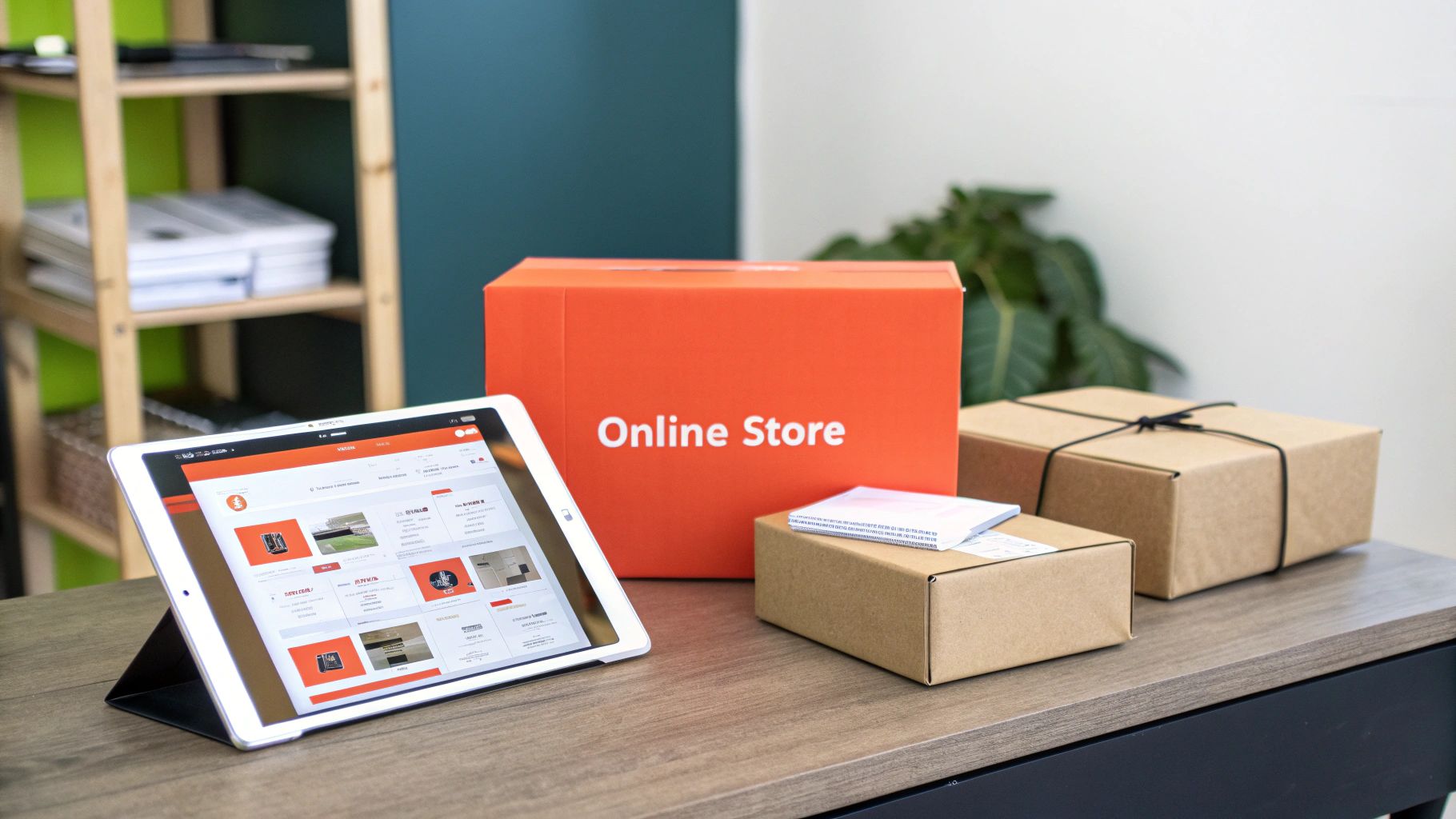
Alt Text: A female entrepreneur surrounded by shipping boxes, managing her e-commerce store on a laptop.
The potential for profit in this sector is immense, with successful Nigerian online store owners reporting monthly revenues from ₦500,000 to over ₦5,000,000. For instance, many beauty product sellers on Instagram and Jiji have built seven-figure businesses by establishing strong brands and loyal customer followings. Another popular and low-risk model is dropshipping, which allows you to sell products without holding any inventory, making it an accessible entry point for beginners.
Practical Example: An entrepreneur in Aba sources high-quality, locally-made leather sandals. They take professional product photos with their smartphone, set up an Instagram Shop and a Jumia store, and use Paystack for payments. By running targeted ads to men aged 25-45 in major cities, they sell over 100 pairs a month at ₦15,000 each, generating ₦1,500,000 in revenue.
How to Get Started
- Find Your Product: Research trending products or identify a gap in the market. Start with a single product category you know well.
- Choose Your Platform: Decide where to sell. You can start on social media (Instagram/Facebook), use a marketplace like Jumia for its existing traffic, or build your own brand with a Shopify store.
- Source Your Products: Find reliable suppliers. You can source from local markets like Balogun or Aba, or import from sites like Alibaba.
- Set Up Payments and Logistics: Integrate a reliable payment gateway like Paystack or Flutterwave. Partner with a local logistics company like GIG Logistics for deliveries.
- Market Your Store: Use high-quality photos and compelling descriptions. Run social media ads and collaborate with influencers to drive your first sales.
Actionable Takeaways
- Research one product category and find two potential suppliers.
- Set up an Instagram Business account and create your first 9 product posts.
- Compare pricing for two local logistics companies for delivery within your city.
Tools & Resources
- Shopify: To build your own online store.
- Jumia & Konga: Marketplaces to list your products.
- Paystack & Flutterwave: Payment gateways for Nigerian businesses.
7. YouTube Channel Creation and Monetisation
Creating a YouTube channel is a powerful way to make money in Nigeria by turning your passion into a profitable venture. The platform allows creators to build audiences around specific niches like comedy, tech reviews, education, and lifestyle, monetising their content through multiple streams. Nigerian creators like Maraji and Tunde Ednut have demonstrated that with consistent, engaging content, you can attract millions of views and generate substantial income from AdSense, brand sponsorships, and affiliate marketing.
This digital business model is highly scalable. A tech reviewer with over 100,000 subscribers can earn between ₦500,000 and ₦2,000,000 monthly, while educational channels attract sponsorships from EdTech companies. As you grow, you can diversify your income; for instance, you can explore innovative strategies for how to monetise YouTube Shorts to tap into new revenue opportunities. For a deeper dive, explore these practical tips on how to create video content that captivates an audience.
Practical Example: A creator focuses on a niche: “Cooking Nigerian meals on a budget.” She uses her smartphone to film simple, step-by-step recipe videos. After six months of posting weekly, her channel reaches 1,000 subscribers and 4,000 watch hours, allowing her to enable YouTube ads. She also includes affiliate links to Jumia for cooking utensils in her video descriptions, earning a commission on sales.
How to Get Started
- Find Your Niche: Choose a topic you can talk about endlessly. It could be anything from Lagos street food reviews to tutorials on learning Yoruba.
- Get Basic Equipment: You can start with a modern smartphone. Invest in a cheap tripod and a lapel microphone (around ₦5,000) to improve video and audio quality.
- Plan and Create Content: Plan your first 10 video ideas. Film, edit (using free apps like CapCut), and upload your first video.
- Optimise and Promote: Write keyword-rich titles and descriptions. Create an eye-catching thumbnail using Canva. Share your video on social media and in relevant online communities.
- Be Consistent: Aim to upload at least one video per week to build an audience and signal to the YouTube algorithm that your channel is active.
Actionable Takeaways
- Brainstorm 10 video ideas for your channel niche.
- Create a simple channel banner and profile picture using Canva.
- Film, edit, and upload your first video this month.
Tools & Resources
- CapCut or InShot: Free mobile video editing apps.
- Canva: For creating YouTube thumbnails and channel art.
- TubeBuddy or vidIQ: Browser extensions for YouTube SEO.
8. Dropshipping Business Model
The dropshipping business model offers one of the most popular ways to make money in Nigeria by entering the e-commerce space without significant upfront capital. It involves creating an online store to sell products that you don’t own. When a customer places an order, you purchase the item from a third-party supplier, like one on AliExpress, who then ships it directly to the customer. Your profit is the difference between your selling price and the supplier’s cost.
Alt Text: A diagram showing the dropshipping supply chain: customer orders from an online store, which forwards the order to the supplier, who ships directly to the customer.
This model eliminates the need for inventory management, warehousing, and complex logistics, allowing entrepreneurs to focus solely on marketing and customer service. Many Nigerian dropshippers successfully generate between ₦200,000 and ₦1,000,000 monthly by focusing on high-demand niche products like phone accessories, fashion items, or beauty gadgets. The key to success lies in identifying winning products and mastering digital advertising platforms like Facebook and Instagram to drive traffic.
Practical Example: A university student sets up a Shopify store selling unique phone cases and accessories. They use an app like Spocket to import products from reliable suppliers. They create a TikTok page and post videos showcasing the cool features of their products. A video goes viral, driving hundreds of sales. They use the customer’s money to pay the supplier, pocketing a ₦5,000 profit on each ₦12,000 phone case sold.
How to Get Started
- Find a Winning Product: Research products with high demand and low competition. Use tools like Google Trends or simply browse TikTok for viral products.
- Find a Reliable Supplier: Search for suppliers on platforms like AliExpress, CJdropshipping, or Spocket. Check reviews and order a sample to test quality and shipping times.
- Build Your Online Store: Use a platform like Shopify to quickly create a professional-looking store. Write compelling product descriptions and upload high-quality product images from your supplier.
- Market Your Product: Run targeted ads on Facebook, Instagram, or TikTok. This is the most crucial step. Start with a small daily budget (e.g., $5-$10) to test your ads.
- Manage Customer Service: Respond to customer inquiries promptly and manage expectations about shipping times. This is key to building a reputable brand.
Actionable Takeaways
- Identify one potential dropshipping product using TikTok’s “Made Me Buy It” trend.
- Find three different suppliers for that product on AliExpress and compare them.
- Start a free Shopify trial and use a template to build a simple one-product store.
Tools & Resources
- Shopify: The leading platform for building dropshipping stores.
- AliExpress & CJdropshipping: Popular platforms for finding suppliers.
- Facebook Ads Manager: The primary tool for marketing your products.
9. Online Course Creation and Digital Products
Creating and selling digital products is an excellent way for Nigerian experts to monetise their knowledge. This business model involves packaging your skills into online courses, e-books, templates, or other downloadable assets and selling them online. Platforms like Udemy, Teachable, and Gumroad have empowered Nigerian professionals in fields like software development, digital marketing, and business coaching to reach a global audience, generating significant passive income.
Alt Text: A content creator recording a video for an online course in a home studio setup with a camera and microphone.
This method offers incredible scalability as you create a product once and can sell it infinitely with minimal additional effort. Successful Nigerian course creators often earn between ₦100,000 to over ₦500,000 monthly from platforms like Udemy, while independent coaches sell high-value courses for ₦50,000 to ₦500,000 per enrolment. The key is to transform specialised knowledge into a valuable resource that solves a specific problem for a defined audience, making it one of the most profitable ways to make money in Nigeria today.
Practical Example: A skilled baker in Lagos creates a detailed e-book titled “The Ultimate Guide to Baking Nigerian Pastries,” complete with recipes for meat pies, chin chin, and puff puff. They design it in Canva, save it as a PDF, and sell it for ₦5,000 on Selar.co. By promoting it to their Instagram followers, they sell 100 copies in the first month, earning ₦500,000.
How to Get Started
- Identify a Solvable Problem: What do people struggle with that you can teach? Your topic should be specific. Instead of “Business,” choose “How to Register Your Business with the CAC in Nigeria.”
- Choose Your Format: Decide if you want to create an e-book, a video course, or a set of templates. An e-book is the easiest to start with.
- Create Your Product: Write your e-book or record your course videos. Focus on providing clear, step-by-step, actionable advice. Use tools like Canva for design and Loom for screen recording.
- Set Up Your Sales Platform: Use a platform like Selar or Gumroad to host and sell your digital product. They handle payment processing and delivery for a small fee.
- Launch and Promote: Announce your product to your audience on social media, via email, or in online communities. Offer an early-bird discount to drive initial sales.
Actionable Takeaways
- List three skills you have that you could teach to others.
- Outline the chapters for a short e-book on one of those skills.
- Create a free account on Selar.co to explore its features.
Tools & Resources
- Selar.co & Gumroad: Platforms for selling digital products.
- Canva: For creating e-books, workbooks, and marketing graphics.
- Loom: For recording simple video lessons and screen shares.
10. Cryptocurrency and Trading Services
The cryptocurrency market offers several lucrative ways to make money in Nigeria, extending beyond simply buying and holding assets. Experts can monetise their knowledge by providing education, trading signals, and blockchain consultation services. As digital currencies like Bitcoin and Ethereum gain mainstream interest, a significant demand has emerged for trusted guides to help newcomers navigate this complex and volatile space.
Alt Text: A cryptocurrency trader analyzing price charts and market data on a computer screen.
This sector allows for diverse income streams. For instance, crypto educators can create paid courses and mentorship programmes, while skilled traders can offer subscription-based signal services on platforms like Telegram. P2P exchange operators also earn commissions by facilitating transactions for local users. With a deep understanding of market dynamics, many Nigerian crypto professionals are building profitable businesses. Choosing the best trading platform in Nigeria is a critical first step to ensure security and access to necessary tools for success.
Practical Example: An experienced trader creates a free Telegram channel where they share daily crypto market analysis. Once they build a community of 5,000 members, they launch a “VIP” paid channel for ₦10,000 per month. In the VIP channel, they share their detailed trade setups and entry/exit signals. With 100 subscribers, they generate ₦1,000,000 monthly.
How to Get Started
- Get Educated (Deeply): Before offering any service, you must have a profound and demonstrable understanding of blockchain technology and market analysis. Start with free resources from Binance Academy or CoinGecko.
- Build a Community and Reputation: Start a free channel on Telegram or a Twitter account. Share valuable, free insights consistently to build trust and prove your expertise. Do not make financial promises.
- Develop a Service: Decide what you will offer. It could be a paid newsletter, a private signals group, or one-on-one coaching sessions.
- Prioritise Transparency and Risk Management: Always be transparent about the risks involved in crypto trading. Teach your clients/community about risk management, such as using stop-losses and not investing more than they can afford to lose. This builds long-term trust.
Actionable Takeaways
- Complete a free beginner’s course on blockchain from Binance Academy.
- Start a Twitter account and commit to sharing one market insight daily for 30 days.
- Practice paper trading on a platform like TradingView to test your strategies without real money.
Tools & Resources
- Binance & Luno: Popular exchanges for Nigerians to buy and sell crypto.
- TradingView: For market analysis and charting.
- CoinGecko or CoinMarketCap: For researching cryptocurrencies.
11. Graphic Design and Creative Services
Graphic design is a thriving field and one of the most creative ways to make money in Nigeria, fueled by the constant need for strong visual branding. It involves creating logos, marketing materials, social media graphics, and full brand identities for businesses both locally and internationally. Nigerian designers are leveraging their creativity on global platforms like Fiverr and Upwork, turning artistic skills into a profitable enterprise.
Alt Text: A graphic designer working on a logo design using a stylus and tablet with multiple monitors displaying design software.
The income potential in this sector is substantial, with skilled designers earning anywhere from ₦100,000 to over ₦1,000,000 monthly. Specialising in high-demand areas like UI/UX design for apps or brand identity for startups can significantly increase your value. With just a good computer and design software, you can start a global business from home. For those looking to enter this dynamic field, understanding the landscape of remote graphic design jobs is a crucial first step toward building a successful career.
Practical Example: A designer in Lagos specialises in creating brand identity packages (logo, colour palette, business card) for startups. They showcase their work on Behance and Instagram. A new fintech company finds their portfolio and hires them for a ₦400,000 project. They deliver high-quality work, get a great testimonial, and use it to land even bigger clients.
How to Get Started
- Master the Tools: Gain proficiency in industry-standard software. Start with a free tool like Canva to learn the principles, then move to professional software like Adobe Photoshop/Illustrator or Figma (especially for UI/UX).
- Build a Strong Portfolio: Your portfolio is everything. Create 5-10 personal projects to showcase your skills. Redesign a popular local brand’s logo or create a full brand identity for a fictional company.
- Choose a Niche: Don’t be a generalist. Specialise in logo design, social media graphics, UI/UX design, or presentation design.
- Create Profiles and Pitch: Set up profiles on Behance (for your portfolio) and freelance platforms like Upwork and Fiverr. Your Behance portfolio will be your main selling tool when pitching to clients.
Actionable Takeaways
- Complete a YouTube tutorial series on Figma or Canva basics.
- Create one complete branding project for a fictional business and add it to a Behance portfolio.
- Set up a professional gig on Fiverr for a specific service like “Minimalist Logo Design.”
Tools & Resources
- Canva: Excellent for beginners and social media graphics.
- Figma: The industry standard for UI/UX design, with a great free plan.
- Behance & Dribbble: Portfolio platforms to showcase your work and get discovered.
12. Web Development and Programming Services
Web development and programming services represent a high-income skill and one of the most lucrative ways to make money in Nigeria. This field involves building websites, web applications, and custom software solutions for clients both locally and internationally. Nigerian developers are capitalising on the global demand for tech talent, offering everything from simple WordPress sites to complex full-stack applications and mobile apps.

Alt Text: A web developer writing code on a computer with multiple monitors in a dark room, focused on a project.
The income potential is substantial, with freelance developers on platforms like Upwork and Toptal earning from $1,000 to over $10,000 per project. Local agencies frequently bill clients between ₦500,000 and ₦5,000,000 for a single website. By mastering in-demand technologies like React, Vue.js, and Node.js, Nigerian developers can secure high-paying roles and projects, creating a stable and scalable career path in the booming tech industry. Offering retainer packages for site maintenance provides a consistent stream of recurring revenue.
Practical Example: A self-taught developer learns how to build websites using WordPress and the Elementor page builder. They reach out to 10 local businesses with outdated websites and offer a free redesign mock-up. One business, a private school, is impressed and hires them for ₦350,000 to build a new site. The developer also signs them on a ₦30,000/month maintenance plan.
How to Get Started
- Learn the Fundamentals: Start with the basics: HTML, CSS, and JavaScript. Free resources like freeCodeCamp and The Odin Project provide comprehensive curriculums.
- Specialise: Choose a path. You can focus on front-end (React, Vue), back-end (Node.js, Python), or a CMS like WordPress, which has a lower barrier to entry and high demand from small businesses.
- Build Projects for Your Portfolio: Create 3-5 real-world projects. Build a clone of a popular website, a simple web app, or a custom WordPress theme. Host them on GitHub.
- Find Clients: Start with freelance platforms like Upwork. Also, network within local tech communities and on LinkedIn. Contribute to open-source projects to showcase your skills and collaborate with other developers.
Actionable Takeaways
- Start the HTML & CSS module on freeCodeCamp today.
- Set up a GitHub account and learn basic Git commands.
- Identify 3 local business websites that you could improve, and sketch out how you would do it.
Tools & Resources
- freeCodeCamp & The Odin Project: Free, comprehensive coding education.
- GitHub: Essential for version control and showcasing your portfolio.
- Visual Studio Code: A popular, free code editor.
12 Ways to Make Money in Nigeria — Comparison
| Item | 🔄 Implementation complexity | ⚡ Resource requirements | ⭐ Expected outcomes | 📊 Ideal use cases | 💡 Key advantages & quick tip |
|---|---|---|---|---|---|
| Freelance Writing and Content Creation | Low–Medium; quick to start, skill growth required | Laptop, internet, portfolio; $0–$100 startup | ⭐⭐–⭐⭐⭐; $500–$5,000+/month possible; 1–3 months to first income | Blogs, agencies, remote content contracts | Global clients & low startup — specialize in high‑paying niches; build portfolio |
| Virtual Assistance and Administrative Services | Low; task-based processes, repeatable | Computer, communication tools, PM software; $50–$200 startup | ⭐⭐; steady retainer income; 2–4 weeks to first income | Small businesses, entrepreneurs, remote teams | Recurring revenue & lower entry barrier — define services/pricing; track time |
| Affiliate Marketing and Online Promotion | Medium; requires marketing and SEO skills | Website/YouTube/social, email tools; $100–$500 startup | ⭐⭐; passive income long-term; 3–6 months to profit | Niche blogs, review sites, social channels | Passive scale potential — focus on high-intent niches & email lists |
| Online Tutoring and E‑Learning Instruction | Low–Medium; pedagogical prep plus platform setup | Webcam, stable internet, lesson materials; $0–$50 startup | ⭐⭐–⭐⭐⭐; $10–$50+/hr; 1–2 weeks to first income | Language, STEM, test prep, professional skills | Immediate income & high demand — get credentials; package lessons |
| Social Media Management and Digital Marketing | Medium; strategic + creative execution | Design tools, scheduling/analytics; $50–$200 startup | ⭐⭐–⭐⭐⭐; recurring retainers; 4–8 weeks to onboard clients | Small brands, e‑commerce, influencers | High demand & recurring revenue — show case studies; specialize industry |
| E‑Commerce and Online Retail | Medium–High; inventory/logistics management | Inventory or suppliers, product photos, store fees; ₦50k–₦500k startup | ⭐⭐⭐; scalable profits; 2–4 weeks to first sale | Retail brands, niche product sellers | High margins but logistics-heavy — invest in product listing & CS |
| YouTube Channel Creation and Monetization | High; content production & audience growth | Camera/mic, editing tools, consistent content; ₦50k–₦200k startup | ⭐⭐–⭐⭐⭐; high upside at scale; 6–12 months to monetization | Education, reviews, entertainment creators | Multiples revenue streams — post consistently; optimize SEO & thumbnails |
| Dropshipping Business Model | Low–Medium; marketing-focused, low ops | Shopify/store, supplier integrations, ad spend; ₦20k–₦100k startup | ⭐⭐; low upfront risk; 2–6 weeks to first sale | Entrepreneurs testing products, niche stores | Low capital & fast testing — validate with small ads; vet suppliers |
| Online Course Creation and Digital Products | Medium–High; content development effort | Recording/editing tools, platform fees; ₦0–₦50k startup | ⭐⭐⭐; high margins, passive long-term; 2–3 months to first sale | Experts, coaches, professionals selling skills | Scalable passive income — choose in-demand topics; include resources |
| Cryptocurrency and Trading Services | High; technical knowledge & regulatory risk | Exchanges, education resources, community tools; ₦0–₦100k startup | ⭐–⭐⭐; high earning potential but high risk; 1–4 weeks possible | Traders, educators, signal providers | 24/7 market & demand — emphasize transparency & risk management |
| Graphic Design and Creative Services | Medium; creative skill and client revisions | Design software (Adobe/Figma), portfolio; ₦20k–₦100k startup | ⭐⭐–⭐⭐⭐; $50–$500+/project; 3–8 weeks to first income | Branding, logos, marketing materials, video editing | High rates for quality work — build 10+ portfolio pieces; specialize |
| Web Development and Programming Services | High; technical skill set & project management | Dev tools, hosting, frameworks; ₦0–₦50k startup | ⭐⭐⭐; ₦200k–₦5M+ per project; 4–12 weeks to first income | Businesses needing websites/apps, SaaS, agencies | Very high demand & earnings — master in‑demand tech; offer maintenance packages |
Your Next Steps: Turning Knowledge into Income
We have explored a comprehensive list of twelve distinct and actionable ways to make money in Nigeria, spanning everything from freelance writing and social media management to e-commerce and web development. The landscape of opportunity in Nigeria is vast and continually expanding, driven by digital transformation and a resilient entrepreneurial spirit. Each path we’ve detailed offers a unique entry point into this dynamic economy, whether you are a creative, a tech enthusiast, an educator, or a strategic marketer.
The common thread connecting these diverse income streams is the fundamental shift from traditional employment to skill-based, digital-first monetisation. Success is no longer solely about what you know; it’s about what you can do and how effectively you can leverage digital platforms to deliver value. From building a dropshipping store on Shopify to offering virtual assistance services on Upwork, the tools to begin are more accessible than ever before.
From Information to Implementation
The most critical step is the one you take next. Information without action is merely potential. To truly harness these insights, you must move from passive learning to active implementation. The key is to avoid analysis paralysis. Rather than trying to master all twelve methods at once, select one or two that genuinely resonate with your existing skills, passions, and available resources.
Consider these immediate next steps:
- Skill Audit: Honestly assess your strengths. Are you a gifted writer, a visual thinker, or a natural organiser? Match your skills to one of the opportunities discussed, such as content creation, graphic design, or virtual assistance.
- Choose Your Platform: Identify the primary platform where your target audience or clients gather. This could be LinkedIn for professional services, Instagram for e-commerce, or a freelance marketplace like Fiverr. Create a professional and optimised profile.
- Build a Portfolio: You don’t need years of experience to start. Create a small portfolio of sample work. Write a few blog posts, design some sample graphics, or create a mock social media content calendar. This tangible proof of your ability is your most powerful marketing tool.
- Start Small and Iterate: Your first client or first sale is the most important milestone. Focus on securing it, delivering exceptional value, and gathering a positive testimonial. This initial momentum is crucial for building a sustainable income stream.
Mastering these approaches is not just about earning extra cash; it’s about building financial resilience and independence. The ability to generate income online is a powerful asset in Nigeria’s evolving economy. It provides a buffer against economic uncertainty and opens doors to global opportunities, allowing you to work with clients and customers far beyond our borders. The journey requires persistence, a commitment to continuous learning, and the courage to begin. The opportunities are real, the tools are ready, and the time to start building your future is now.
Ready to supercharge your content creation, social media management, or digital marketing efforts? RichlyAI can help you generate high-quality copy, schedule posts, and streamline your entire workflow, allowing you to serve more clients and scale your online business faster. Explore the tools that can accelerate your journey to financial success at RichlyAI.
