
In the global fight against climate change, Artificial Intelligence (AI) emerges as a crucial ally, providing innovative solutions for a sustainable future. Imagine technology that not only predicts weather patterns but also optimizes agriculture, conserves water, and significantly reduces emissions.
A 2020 study by PwC and Microsoft suggests that AI could lower global greenhouse gas emissions by 4% by 2030, equivalent to the combined emissions of entire nations like Australia, Canada, and Japan. Source: IEA Energy and AI.
This article explores AI’s transformative potential in climate action, highlighting strategies that could reshape our environmental landscape.
Precision Agriculture: Enhancing Efficiency and Sustainability

AI’s role in agriculture enhances resource efficiency and productivity. For instance, IBM’s Watson Decision Platform for Agriculture integrates AI with weather data, IoT sensors, and satellite imagery to facilitate precision farming, effectively minimizing chemical runoff and its harmful environmental effects.
Case Study:
Impact on Smallholder Farms in India CropIn Technology’s AI platform equips Indian farmers with crucial insights into soil health and weather, leading to a 30% increase in crop yields and water savings. Although initial investments in technology and training are necessary, the resulting boosts in productivity and resource conservation are substantial. FAO State of Food and Agriculture report.
Smart Grid Management: Balancing Demand and Supply
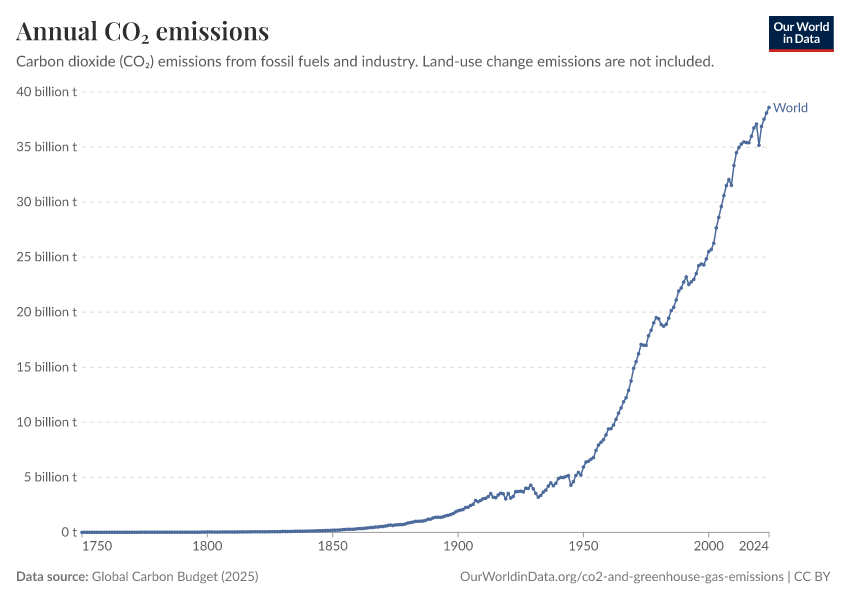
AI is essential for managing smart grids, particularly in balancing variable renewable sources and decreasing dependence on fossil fuels.
Navigating Risks and Governance Challenges
Implementing AI in climate mitigation presents challenges, including data privacy concerns, energy consumption, and potential job displacement.
- Data Privacy: Extensive datasets raise privacy issues, necessitating stringent data governance frameworks.
- Energy Consumption: AI model training is energy-intensive, requiring energy-efficient algorithms and renewable energy-powered data centers.
- Job Displacement: Automation may lead to job losses, demanding investment in upskilling and policy interventions.
Strategic Roadmap: Implementing AI for Climate Mitigation
- Identify High-Impact Use Cases: Tailor AI deployment to sector-specific needs.
- Conduct Feasibility Studies: Assess technical and economic viability. IPCC AR6 Synthesis Report.
- Invest in Infrastructure: Build robust data systems for AI initiatives.
- Ensure Data Quality: Prioritize high-quality data for effective AI training.
- Pilot Projects: Test AI applications on a smaller scale before full deployment.
- Develop Guiding Principles: Establish ethical guidelines for responsible AI use.
- Forge Cross-Sector Partnerships: Collaborate with tech firms and research bodies. UNFCCC Paris Agreement.
- Continuous Monitoring: Regularly assess AI impact and adjust strategies.
- Stakeholder Education: Promote awareness of AI’s benefits and limitations.
- Secure Funding: Explore diverse funding avenues to support AI projects.
Extending AI’s Reach: Beyond Agriculture and Energy

Privacy-by-Design Framework for Climate AI Programs
For climate-focused AI to be both effective and trusted, teams should adopt a privacy-by-design approach instead of applying governance retroactively. A practical governance framework is discussed in The Balancing Act: How Businesses Can Personalize Experiences Without Compromising Privacy.
- Scope the minimum viable data: collect only what is necessary for the climate objective.
- Classify data risk: separate operational telemetry from personal or sensitive data.
- Define model accountability: assign owners for model performance, drift, and incident response.
- Build decision thresholds: require human review for high-impact recommendations.
- Audit continuously: run regular checks for bias, false positives, and policy compliance. This framework helps organizations improve climate outcomes while maintaining legal and ethical standards. It also improves adoption because operational teams know exactly when to trust automation and when to escalate to human experts.
Deployment Blueprint: From Pilot to Scaled Climate Impact
A practical rollout path often outweighs the sophistication of the model. Phase 1 involves establishing a baseline and targeting; this includes measuring current emissions leakage, energy losses, and process bottlenecks.
Phase 2 consists of a controlled pilot, applying AI in a specific area like demand forecasting or predictive maintenance, with weekly reviews of key performance indicators. Phase 3 focuses on strengthening governance through incident logging, model explainability summaries, and retraining schedules.
Finally, Phase 4 emphasizes scaling and standardizing by expanding only those use cases that demonstrate measurable improvements in carbon reduction and service reliability. Teams that adhere to this sequence typically avoid the common pitfall of deploying broad AI initiatives without clear operational ownership, measurable outcomes, or governance structures.
Real-World Program Design: What High-Performing Teams Do Differently
Teams that achieve lasting climate outcomes with AI generally exhibit three key operating behaviors.
First, they align technical metrics with business and policy objectives from the outset, tracking how forecasting improvements reduce waste, how optimization lowers emissions intensity, and how faster response times enhance resilience during climate-related disruptions.
Second, they treat model operations as a cross-functional discipline. For additional deployment context, teams can refer to Unlocking the Power of AI: Pioneering a Sustainable Future Amidst Challenges. Sustainability leaders, operations managers, data engineers, and compliance stakeholders collaborate from a shared scorecard, which minimizes friction during rollout and mitigates the common failure mode where technically strong models falter in production due to weak ownership or unclear escalation paths.
Third, they institutionalize learning loops, ensuring every deployment includes regular review cycles for model drift, data quality, and business impact. When outcomes decline, teams proactively retrain, rebalance thresholds, or narrow the scope until performance stabilizes. Over time, this approach creates a portfolio of climate AI playbooks that can be reused across various regions, facilities, and operational contexts.
For organizations striving for world-class standards, disciplined execution is crucial: measure consistently, govern transparently, and scale only what demonstrates measurable environmental and operational value.
FAQs
Where should climate teams start with AI if budgets are limited?
Start with one measurable workflow such as demand forecasting, leak detection, or route optimization. Define baseline KPIs first, then run a 60-90 day pilot with clear success thresholds and governance checkpoints.
How can organizations reduce risk when deploying AI for climate operations?
Use a privacy-by-design and human-in-the-loop model. Limit sensitive data collection, document model assumptions, monitor for drift, and require escalation paths for high-impact decisions.
What metrics should be tracked to prove climate AI impact?
Track both environmental and operational outcomes: emissions intensity, energy waste reduction, forecast error rate, outage response time, and cost-to-serve. Reporting should compare pre-AI and post-AI performance.
Key Takeaways
- Governance and privacy-by-design are required for durable deployment.
- Start with scoped pilots, then scale only proven climate outcomes.
Conclusion: Navigating the Future of AI in Climate Solutions
Navigating the complexities of implementing AI for climate action necessitates a balance between technological advancements, ethical considerations, and practical constraints.
By proactively addressing these challenges, stakeholders can leverage AI’s transformative potential to drive significant progress in combating climate change. Continuous investment in infrastructure, policy development, and cross-sector collaboration is vital for realizing these benefits on a global scale.
Organizations that embark on this roadmap now will gain a measurable advantage over the next 12-24 months. Begin with a scoped pilot, monitor outcomes, and expand with governance in place.
